



Bitcoin vs Earth
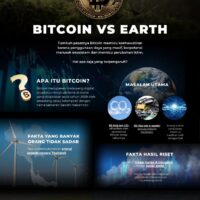
The rising Bitcoin activity, while offering financial benefits, poses significant environmental challenges, including increased carbon emissions, electricity consumption, and e-waste. A study spanning from 2020 to 2023 found that Bitcoin return and transaction volume are positively and significantly associated with a rise in carbon emissions. The research also revealed that global electricity consumption is profoundly affected by Bitcoin’s volatility and hashrate, as the energy-intensive computational demands drive up power usage. Furthermore, the study concluded that the amount of global e-waste is strongly influenced by Bitcoin’s transaction volume and mining activity. This is due to the rapid turnover of specialized mining hardware, which has a short average lifespan of just 1.3 years, resulting in approximately 30.7 metric tons of e-waste generated annually. These findings underscore the urgent need for stronger regulatory oversight and the development of more environmentally friendly technologies. It is crucial to invest in these technologies to mitigate the growing environmental costs associated with the financial expansion of Bitcoin (Joshua Adam, Ricko, Singgih Almando Adam & Fitriya, 2025)
Comments :